


South Korea weighs wider car curbs amid oil surge
 Web Desk
|
1 month ago
Web Desk
|
1 month ago
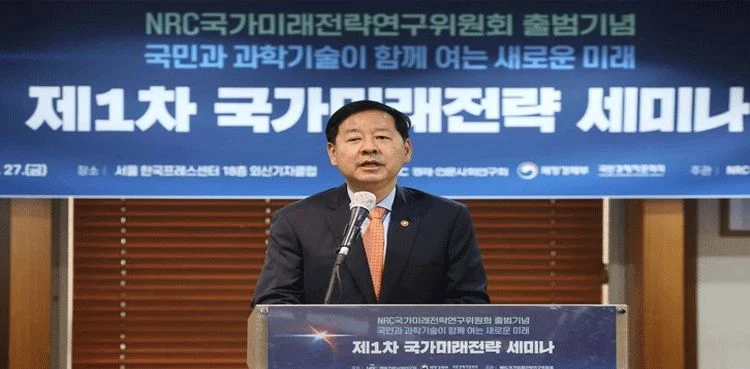
South Korea is considering extending its vehicle rationing policy to the private sector if global oil prices continue to climb sharply, according to Finance Minister Koo Yun-cheol.
In a televised interview, Koo stated that authorities are closely tracking developments in global energy markets, particularly as tensions in the Middle East raise concerns about supply disruptions. He explained that if crude oil prices rise to between $120 and $130 per barrel, the government may escalate its resource security alert to Level 3.
Under such a scenario, the existing five-day vehicle rotation system—currently mandatory for public sector employees—could be expanded nationwide. The system requires vehicles to remain off the road one day each week, based on license plate numbers, as a way to reduce fuel consumption.
The government recently raised its crisis alert to Level 2 within its four-tier framework, reflecting growing uncertainty around oil supply stability. Alongside this step, authorities have encouraged private citizens to voluntarily follow the rotation plan.
Officials say the measures are part of broader efforts to manage energy demand and prepare for potential shortages. In addition, the government is drafting a supplementary budget valued at approximately $16.6 billion to cushion the economic impact of rising fuel costs.
The proposed funding package is expected to support small and medium-sized enterprises, as well as households most affected by higher energy expenses. Lawmakers from the ruling Democratic Party of Korea are working with the government to present the bill to the National Assembly in the coming days.
The situation highlights how fluctuations in global oil markets are prompting countries to adopt precautionary policies aimed at conserving energy and maintaining economic stability.






28 minutes ago
31 minutes ago
37 minutes ago
4 hours ago
4 hours ago
4 hours ago
- Authorities in United Arab Emirates have arrested 13 suspects in an international drug smuggling network bust. The group includes two…
- A video of Melania Trump reportedly pulling her hand away from Donald Trump has gone viral on social media. The…
- Russian President Vladimir Putin has offered a Ukraine ceasefire on May 9. The proposal coincides with Russia’s Victory Day celebrations. This…
- U.S. President Donald Trump signaled talks with Iran after threatening war resumption, offering a more positive tone. He said phone…
 Federal health authorities have ordered strict nationwide enforcement of a ban on conventional disposable syringes and initiated a policy review…
 Pakistan’s second national anti-polio campaign of 2026 is continuing across the country, with efforts now in its sixth day as…
 A shocking report by BBC has triggered nationwide outrage in Pakistan after alleging severe medical malpractice at a Tehsil Headquarter…
 Pakistan’s second National Anti-Polio Campaign of 2026 is continuing across the country with full momentum, as health workers aim to…




- Authorities in United Arab Emirates have arrested 13 suspects in…28 minutes ago
- FIFA has made a historic decision by allowing an Afghan…31 minutes ago
- Hyderabad Kings knocked Multan Sultans out of PSL 11 with…37 minutes ago
- A video of Melania Trump reportedly pulling her hand away…4 hours ago